
Out-of-hours scheduling
Evenings, weekends and shutdown periods. Your people arrive to dry carpet and no equipment in the walkway.
Offices, hotels, conference venues, retail and healthcare. Planned maintenance, out-of-hours crews, ceilings included, and a single point of contact who has been doing this for forty years.

Replacing 800m² of commercial carpet is a capex conversation with finance. Keeping it on a maintenance cycle is a line item. We are usually arguing for the second one.
Evenings, weekends and shutdown periods. Your people arrive to dry carpet and no equipment in the walkway.
Traffic lanes on a short cycle, general floor on a longer one. Soil never gets the chance to grind the pile flat.
Public liability cover, OHS-aware crews, wet-floor signage and slip-risk management while we work.
A verified Level 2 contributor, which keeps your own procurement scorecard where it needs to be.
Dated service reports per area, so the next facilities manager inherits a documented history.
Carpet, rugs, office seating, boardroom leather and ceilings. Fewer purchase orders, fewer people on site.
A hotel corridor and a creche floor wear in completely different ways. We plan around the way yours does.
Traffic lanes, coffee stations, boardrooms and executive rugs. Carpet tiles and broadloom, open-plan and cellular, multi-tenant buildings coordinated with building management.
Lobbies and corridors that never close, guest rooms cleaned in blocks, function venues turned around between events, and the sticky-carpet problem restaurants know too well.
Showroom floors and fitting rooms, classroom carpets, waiting rooms, frail care and student residences between intakes. Hygiene without harsh chemistry.
Encapsulation for fast turnaround on large floors, hot water extraction for restorative deep cleans. Traffic lanes treated separately from the general floor.
Task chairs, reception and breakout furniture. Fabric and mesh cleaned in place, overnight.
Suspended and sprayed ceilings washed and re-coated in place. A fraction of the cost of replacement, and the building keeps trading.
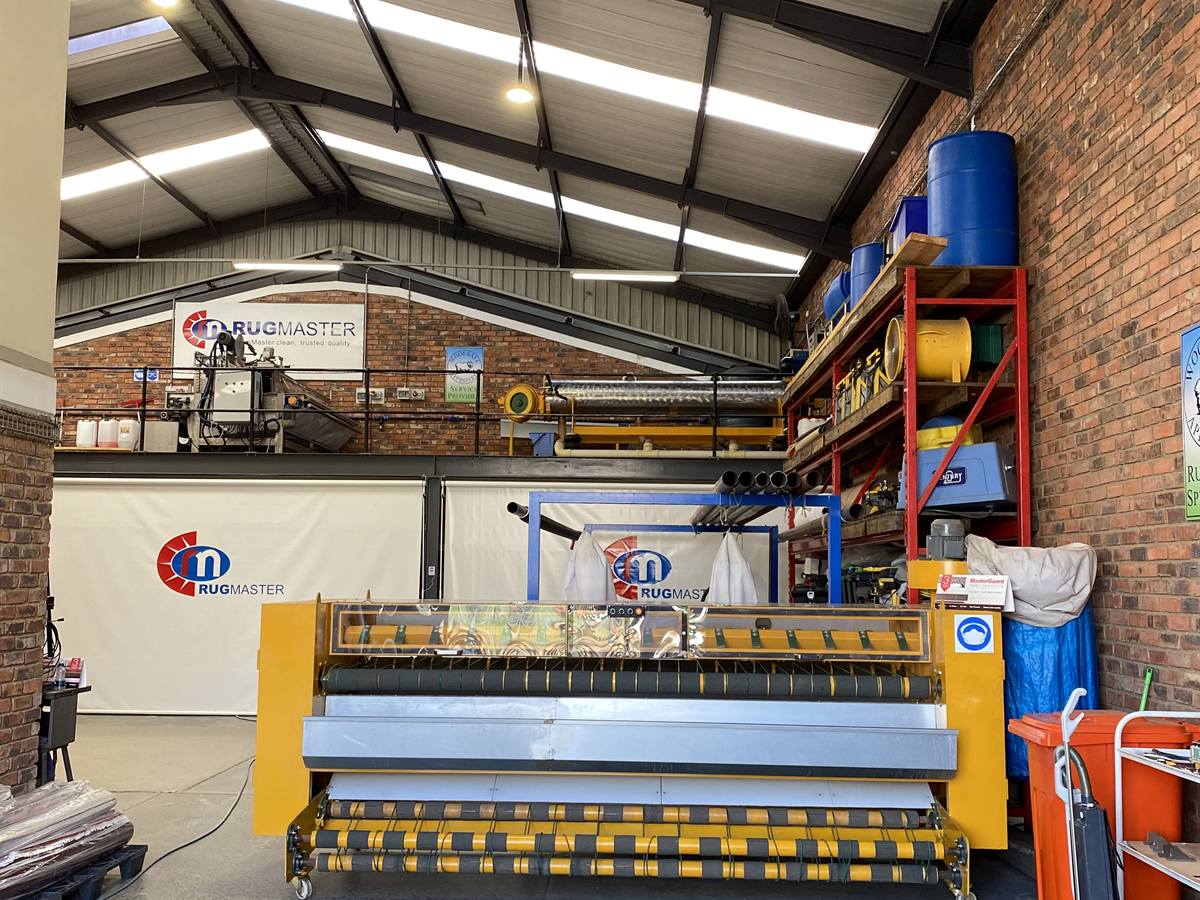
The rug in the room your clients see is usually the most valuable soft furnishing you own. It goes to the plant, and comes back on a scheduled date.
Applied to new installations at handover and after each deep clean. New carpet is not clean carpet, handover dust is abrasive and shortens its life.
Burst geysers, failed sprinklers, storm ingress. Extraction, lifting, drying and moisture readings, with a report your insurer will accept.
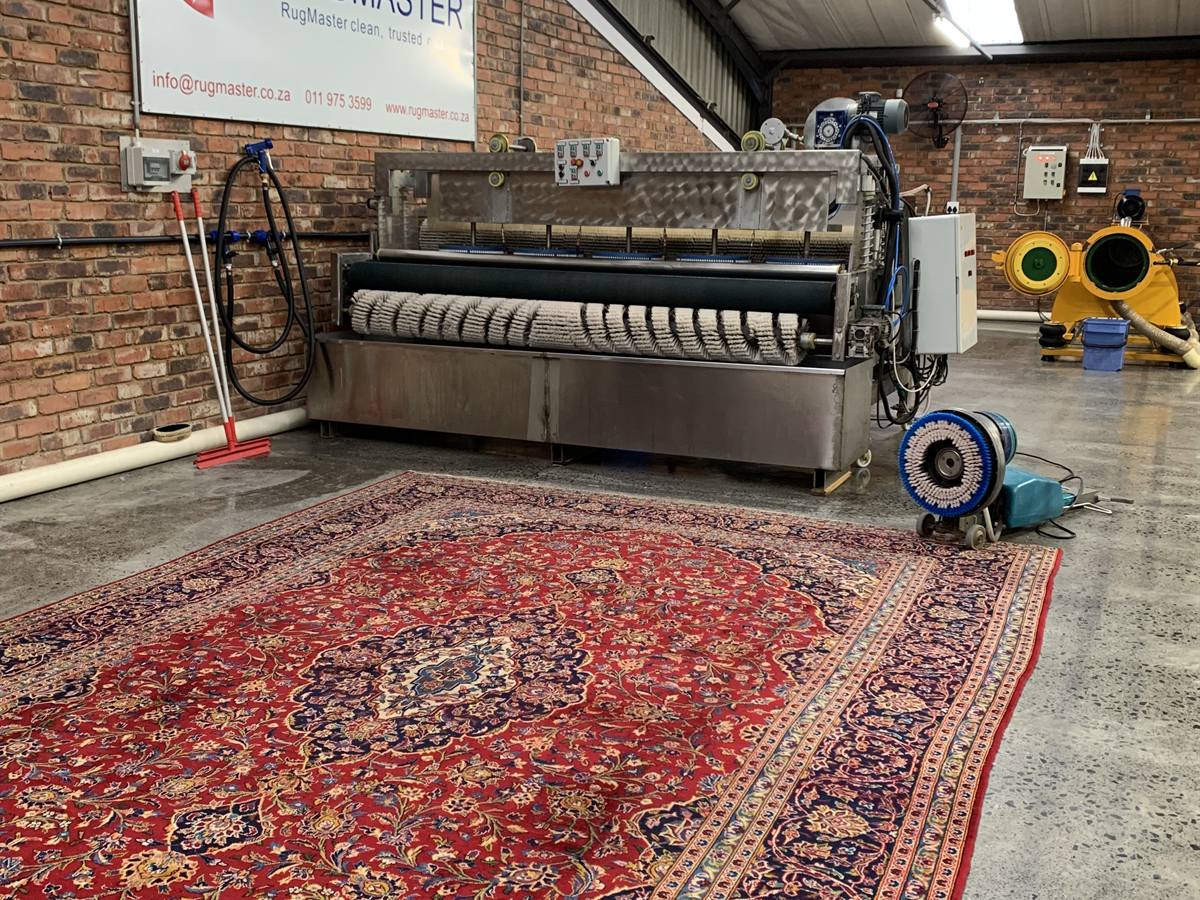
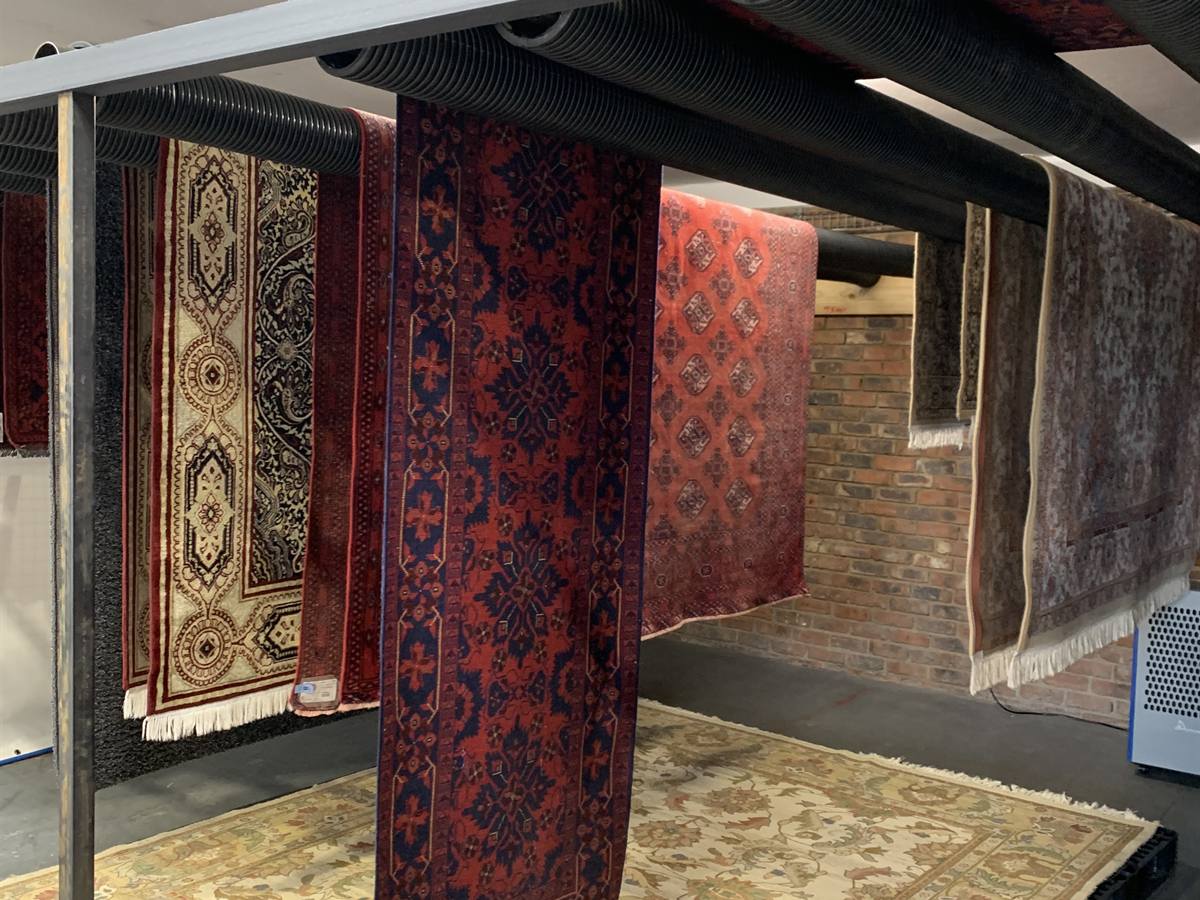
A wand pass over a hand-knotted rug in situ leaves the grit in the foundation and risks running the dyes. Rugs are collected, dusted, dye-tested, washed and dried flat at our Chloorkop plant, then delivered back on a date you set — usually over a weekend, so the space is never out of use during trading hours.
These are carpet tiles, office seating and a sprayed ceiling, all of which a client had been quoted to replace. The traffic lane had gone dark, the tiles had lost definition, and the assumption was that they were worn out. They were not worn out. They were dirty.
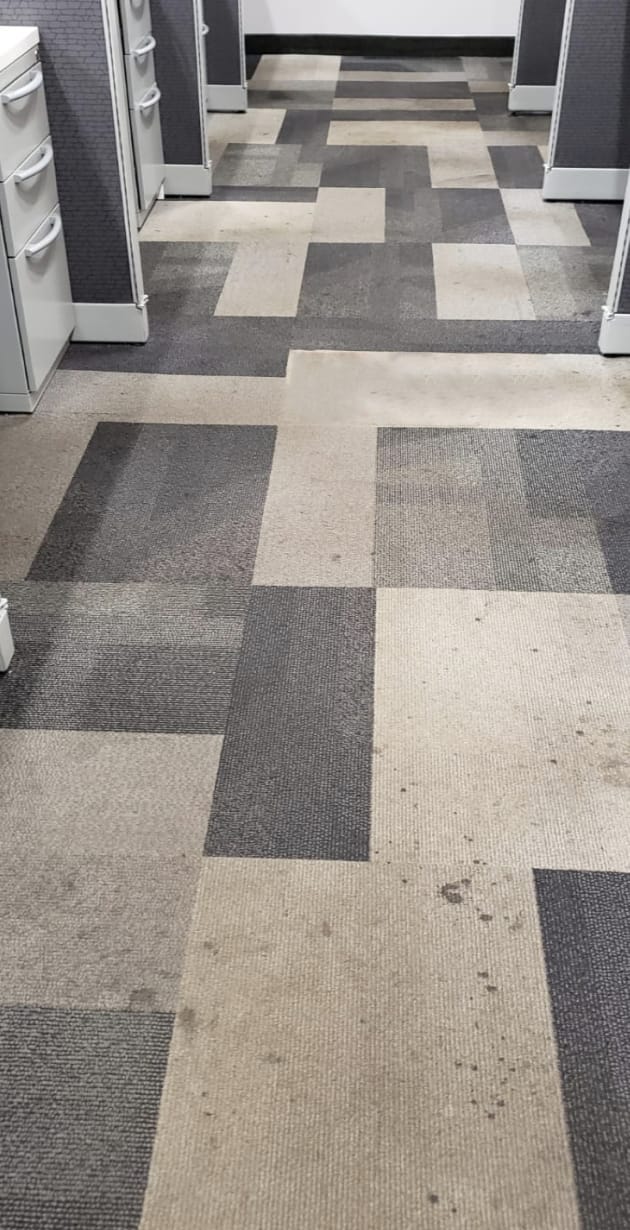
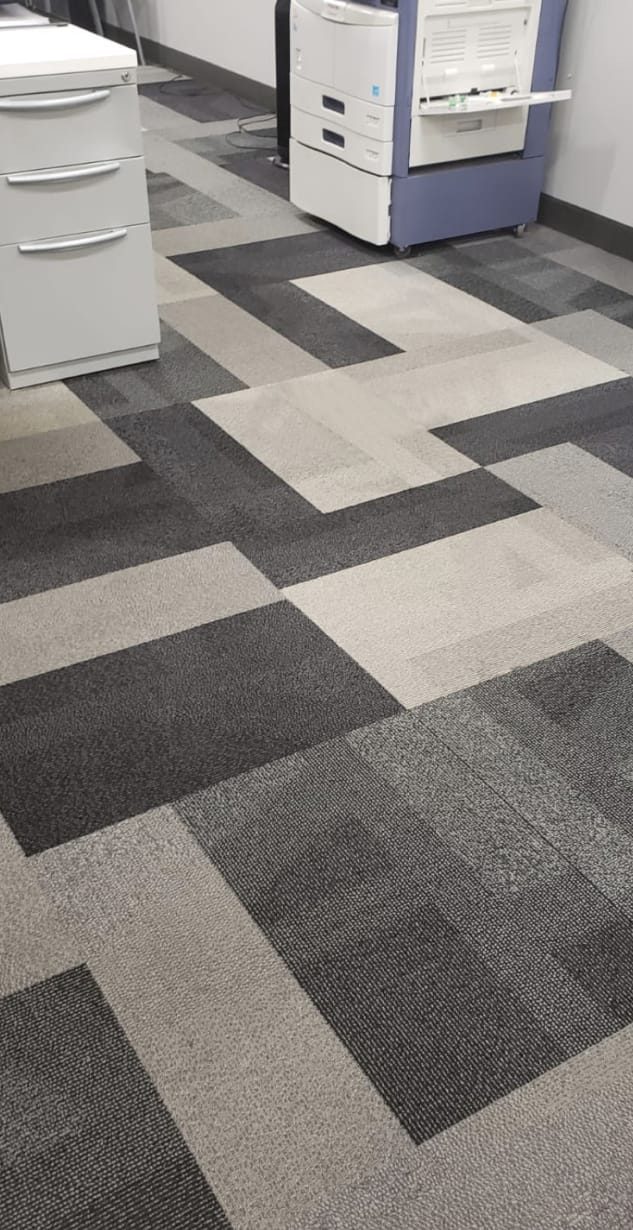 BeforeAfter
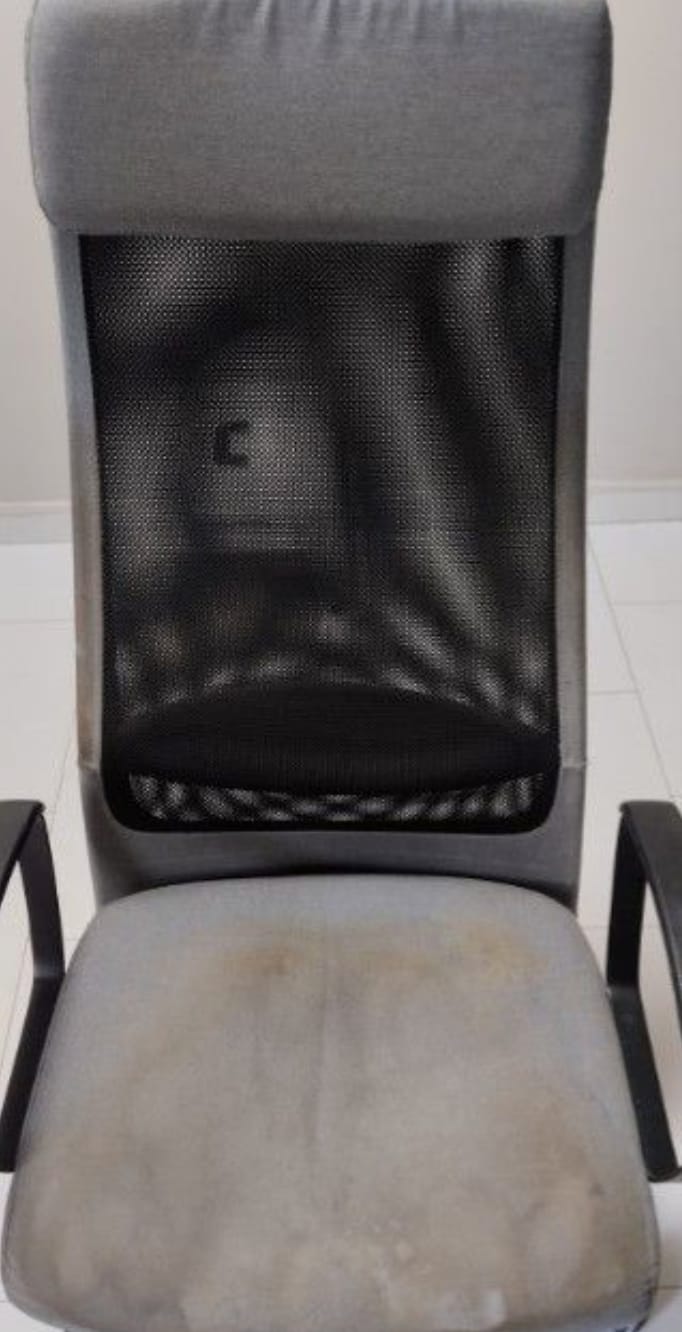
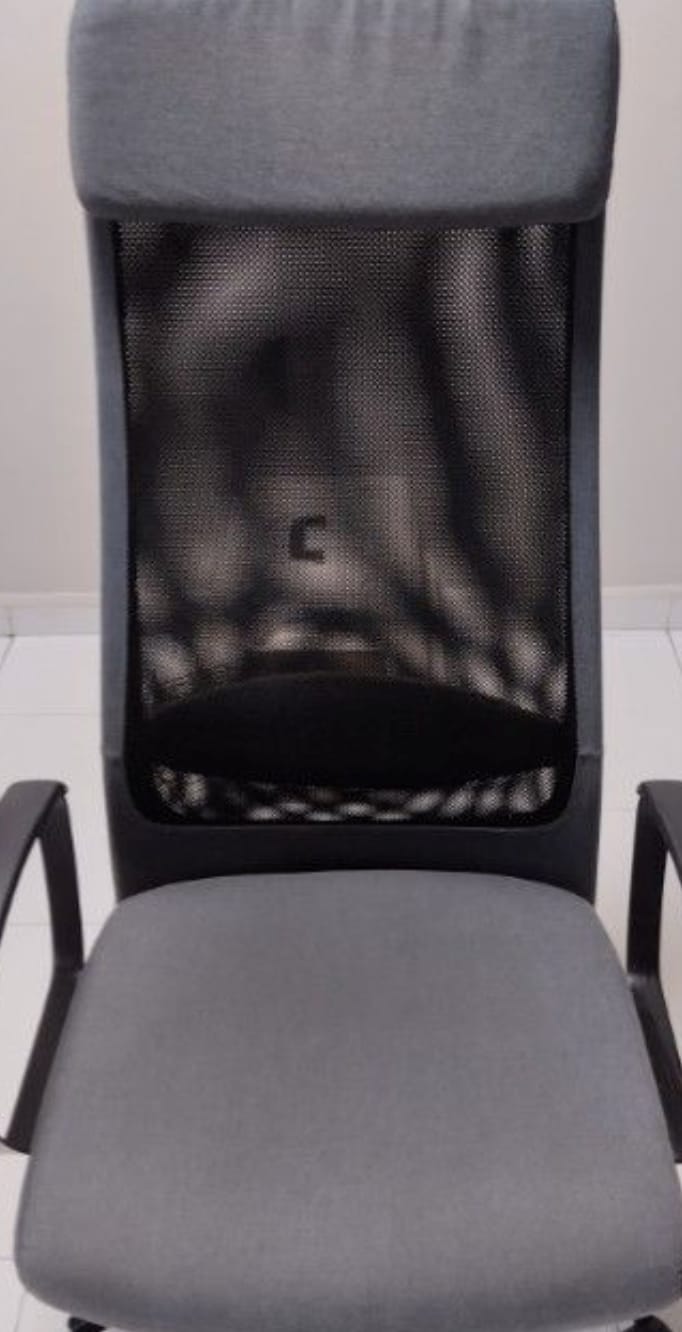 BeforeAfter
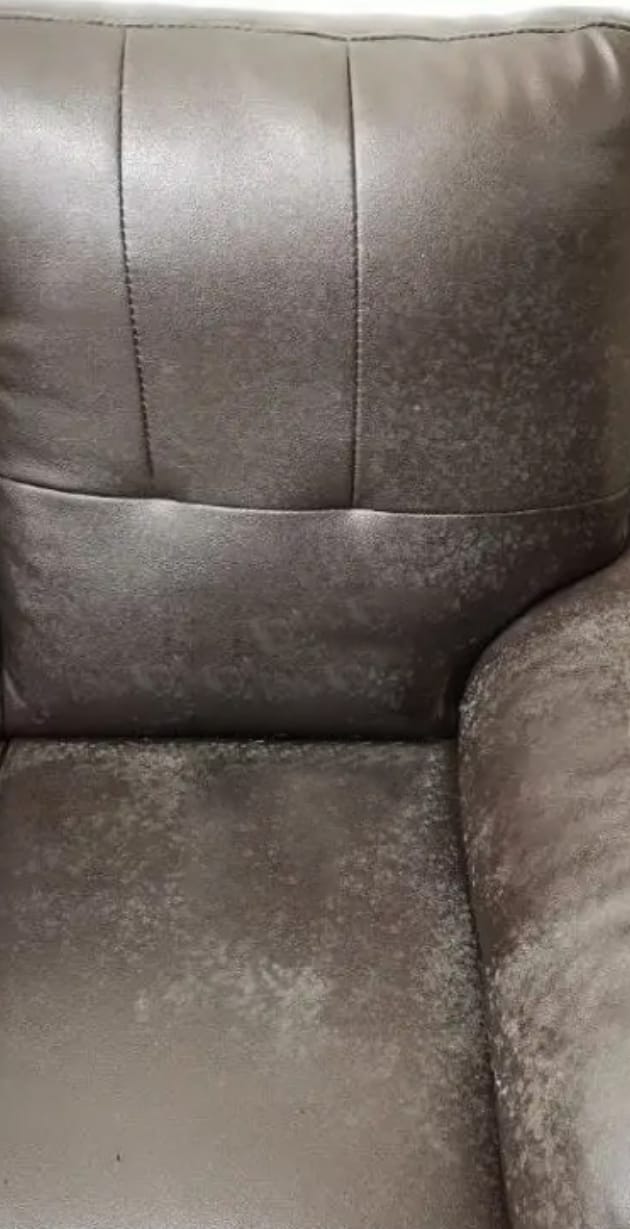
 BeforeAfter
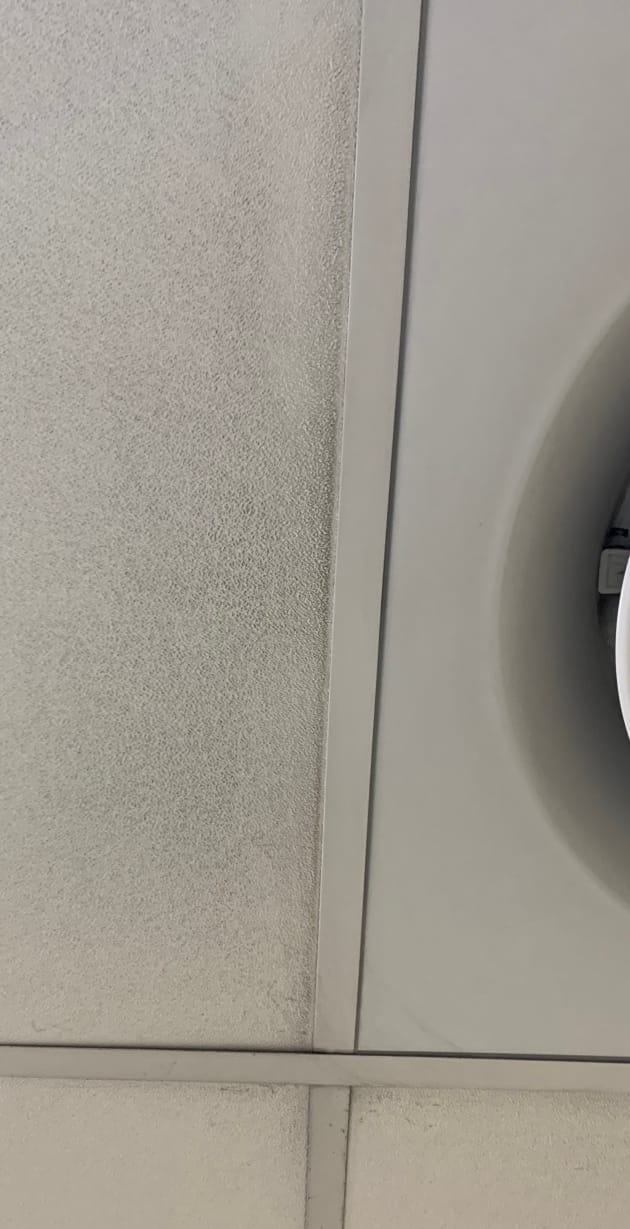
 BeforeAfter
We measure, identify the fibre and backing, and photograph the areas that are actually failing.
Entrances and traffic lanes on one cycle, general floor on another, boardroom and rugs on a third.
Per square metre, per area, with the out-of-hours arrangement stated. No surprises on the invoice.
Brings the floor to a defined baseline. Everything after this is maintenance rather than rescue.
Diarised for the year, worked around your trading hours and shutdown periods.
Dated reports per area and a standing recommendation on entrance matting, which is where most of the soil comes from.
Entrances and main traffic lanes every three to four months, general floor areas every six to twelve. Your daily cleaning team vacuuming well between visits is what makes that schedule affordable.
That is the norm rather than the exception. Evenings, weekends and shutdowns. Encapsulation on large floors means they are dry and back in use by morning.
Yes. Tiles have a heavier backing and are far more prone to wicking if over-wetted, so low-moisture methods usually win. Loose tiles get flagged, not soaked.
We do, and we will send the certificate with the proposal. Any contractor working in your building unsupervised should be able to do the same without hesitating.
Almost always, until the backing has delaminated or the pile has been abraded to the primary. We will tell you when a floor has genuinely reached the end, recommending a clean that will not work costs us the contract.
The body corporate, out of the levy, and the quote usually needs trustee approval. We format proposals so they can go straight into a trustee pack without being rewritten.
Square metres and a photograph of the worst area is enough for a budget number. A site walk gets you a firm one.